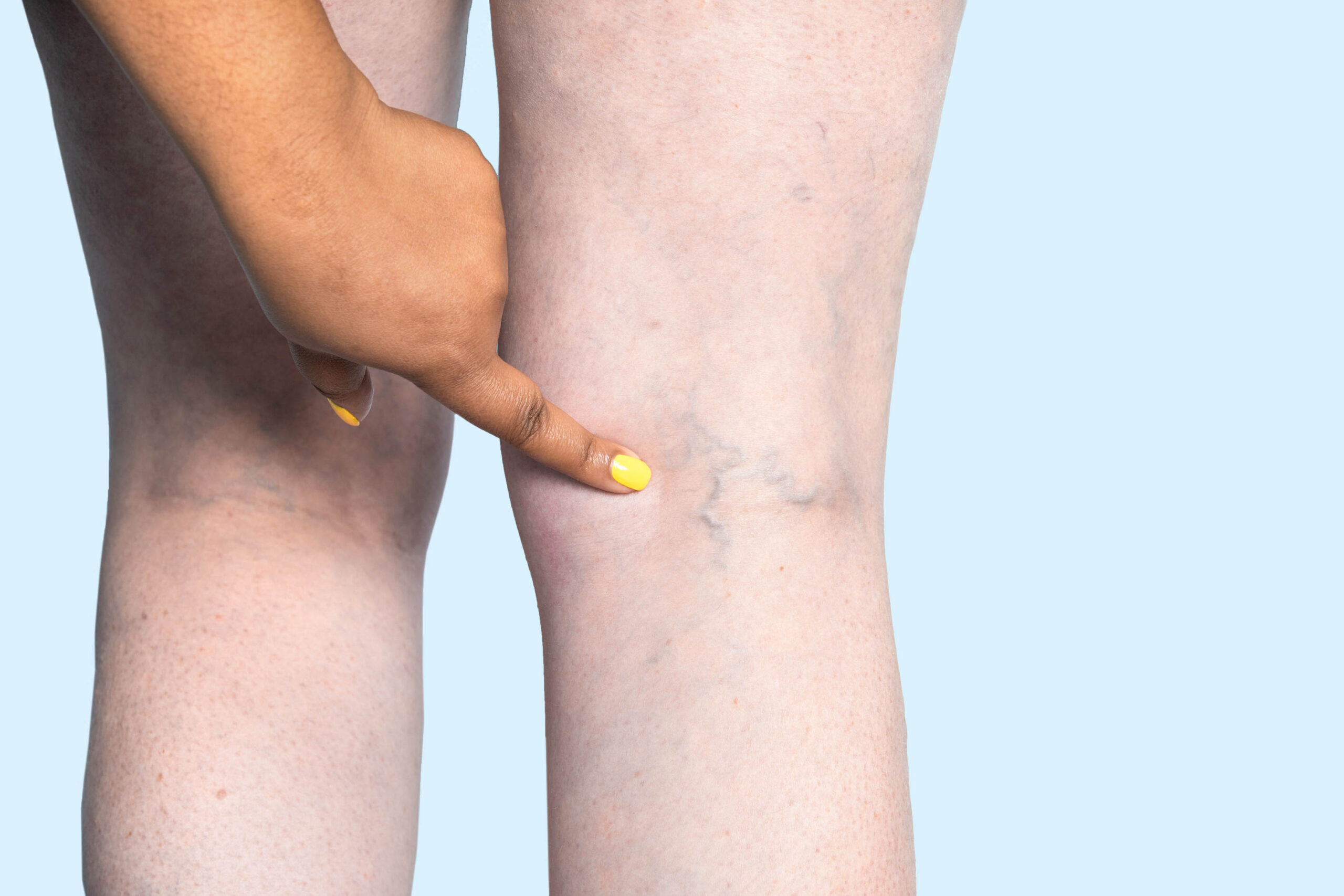
Why circulation matters
Your circulatory system delivers oxygen and nutrients to every cell while removing waste products like CO₂ and lactic acid.
For this to work efficiently, blood must flow smoothly — from your heart to your organs and back again through the veins.
When circulation slows, problems begin:
- Cold hands and feet
- Swelling or heaviness in the legs
- Fatigue and slower recovery after exercise
- Development of varicose veins or chronic venous insufficiency (CVI)
- Higher risk of blood clots (DVT) or poor wound healing
Inactivity: The #1 enemy ofhealthy circulation
Sitting or standing still for long hours weakens the natural “muscle pumps” that push blood upward — especially from the legs.
When You Sit:
- Calf muscles are inactive → venous return slows down
- Blood pools in leg veins → pressure increases
- Oxygen delivery to tissues decreases → fatigue, heaviness, swelling
- Long-term → vein walls stretch, valves fail, and varicose veins may appear
📚 Study: Restaino RM et al., Experimental Physiology, 2016
➡ 3 hours of continuous sitting reduced leg blood flow by up to 80%.
How physical activity protects circulation
1. Activates the calf muscle pump (“Second Heart”)
Every step you take contracts your calf muscles, squeezing deep veins and pushing blood back to your heart.
This keeps blood moving and prevents pooling.
2. Improves endothelial function
Regular activity increases nitric oxide (NO) production — a molecule that relaxes arteries, improves blood flow, and prevents inflammation.
3. Enhances oxygen & nutrient delivery
Movement increases heart rate and perfusion, meaning every tissue receives more oxygen and nutrients.
4. Prevents clots & venous stasis
Frequent movement keeps blood from becoming stagnant, reducing the risk of thrombosis.
How much activity is enough?
Even small, frequent movements can dramatically improve circulation — especially for desk or driving jobs.
| Activity | Frequency | Circulatory Benefit |
| Walking | 5–10 min every hour | Boosts venous return & oxygenation |
| Calf raises / toe lifts | 30 reps per hour | Activates leg muscle pump |
| Ankle flexes | Every 30–45 min | Prevents blood pooling |
| Stairs instead of elevator | Several times daily | Strengthens veins & heart |
| Leg elevation | 10–15 min after work | Relieves venous pressure |
Padberg FT et al., J Vasc Surg, 2004:
Regular calf-pump exercise improved venous hemodynamics and reduced leg swelling.
Natural circulation support — the role of Flavonoids
Even with movement, modern sedentary lifestyles and inflammation can strain veins and capillaries.
That’s where Flavonoids — natural plant compounds — provide internal support.
Diosmin & Hesperidin
- Strengthen vein walls and improve elasticity
- Increase venous tone and microcirculation
- Reduce inflammation and oxidative stress
- Improve lymphatic drainage (reducing leg swelling)
Kakkos SK et al., Angiology, 2018:
MPFF (Diosmin + Hesperidin) improved venous flow and reduced symptoms of venous insufficiency.
Horse Chestnut (Aescin)
- Seals capillaries and reduces permeability
- Decreases edema and heaviness
- Enhances oxygen exchange at tissue level
📚 Pittler MH & Ernst E., Cochrane Review, 2012:
Horse Chestnut extract significantly reduced leg swelling and discomfort in venous disease.
Best combination: Movement + Flavonoids
Movement stimulates blood flow, while flavonoids protect and strengthen blood vessels — together forming the ideal circulation-support duo.
| Habit | What It Does |
| Regular movement | Keeps veins active |
| Calf exercises | Strengthen leg “second heart” |
| Leg elevation | Relieves pressure |
| Flavonoids (Diosmin, Hesperidin, Horse Chestnut) | Support microcirculation, reduce swelling |
| Hydration | Keeps blood viscosity healthy |
Key takeaway
“Motion is life — and circulation is motion.”
When you move, your veins work efficiently. When you sit too long, they struggle.
Flavonoids like Diosmin, Hesperidin, and Horse Chestnut help your blood vessels stay resilient, your circulation strong, and your legs light — even in a modern, sedentary world.